
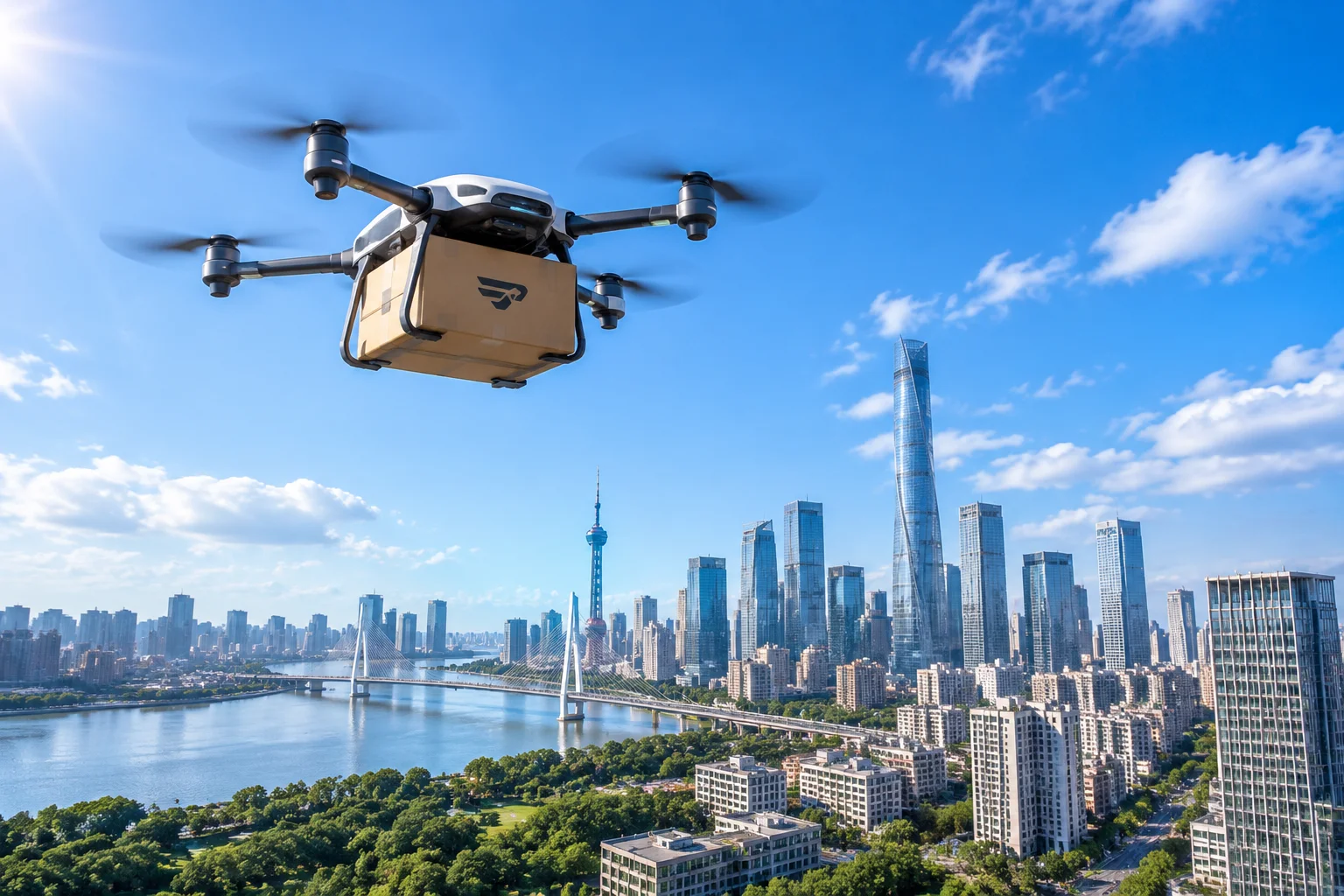
01.Scaling Up: The 500-City Flightpath Strategy
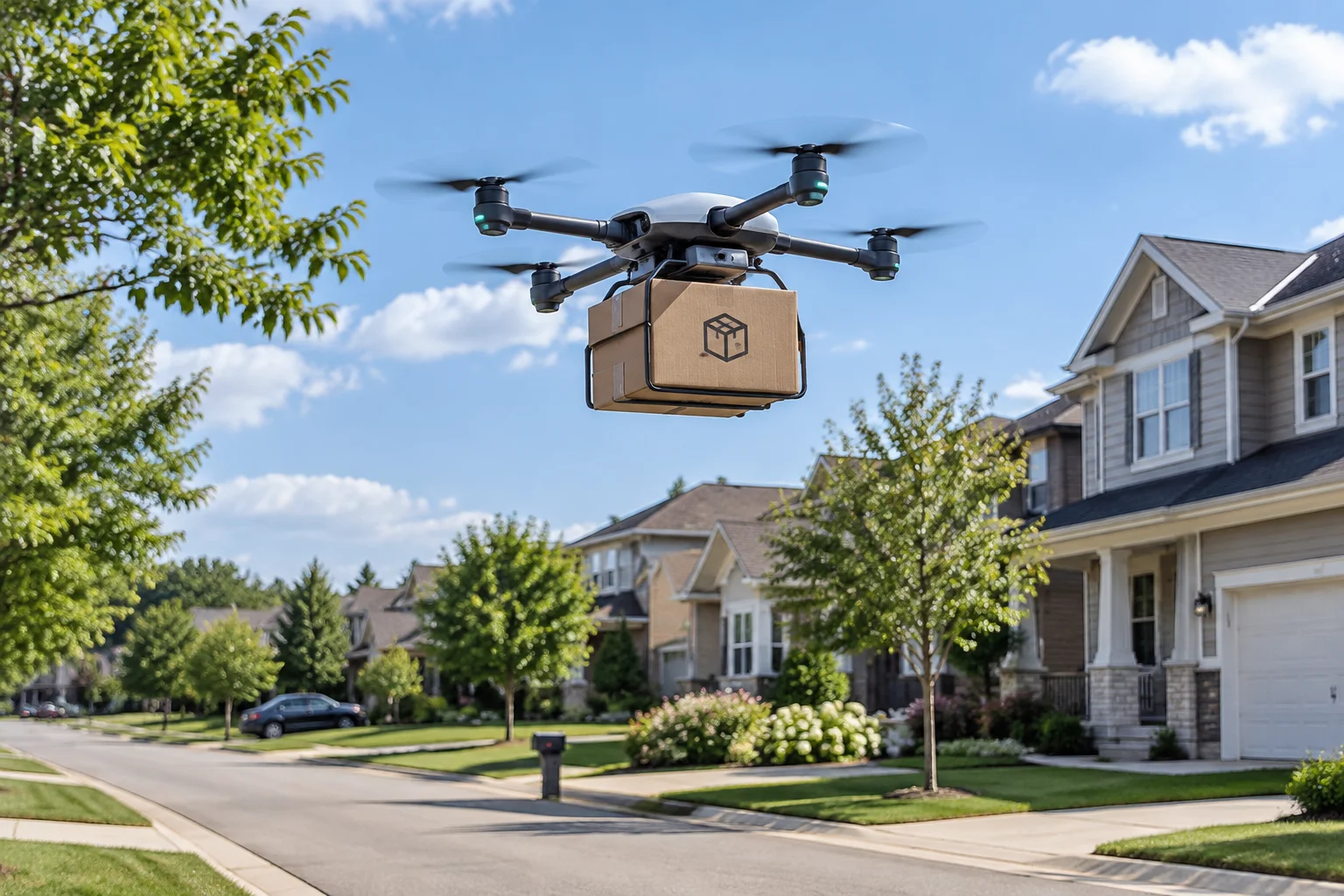
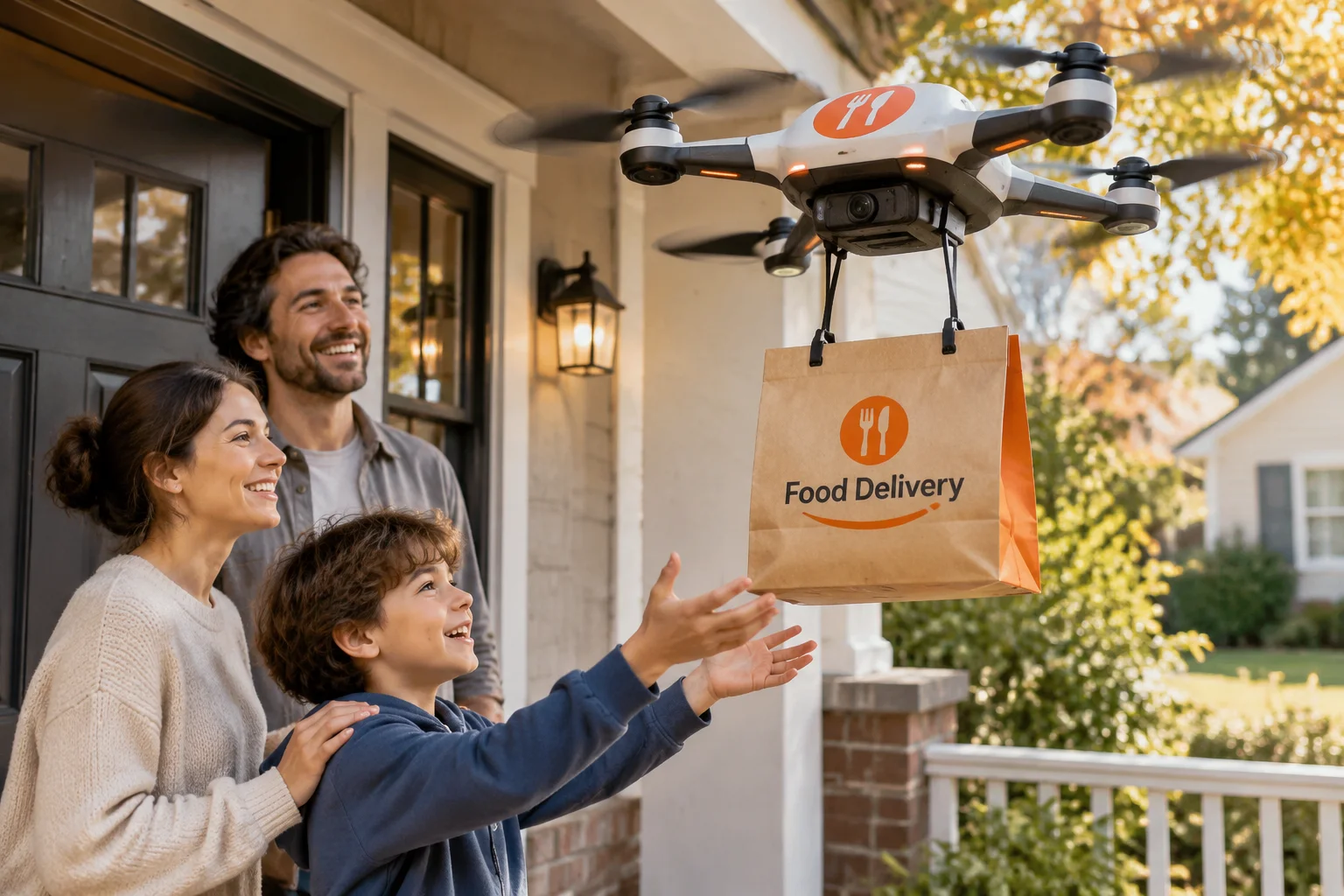
Amazon Prime Air has confirmed its multi-stage roadmap to deploy autonomous package delivery across 500 metropolitan and suburban regions throughout the United States. Following initial operational testbeds in College Station, Texas, and Tolleson, Arizona, the logistics company has completed extensive hardware validation to support commercial rollout across dozens of new states. The strategic objective focuses on delivering essential pharmacy supplies, everyday retail items, and lightweight electronics weighing under 5 pounds directly to residential backyards within sixty minutes of order placement.
Distribution centers are undergoing mechanical retrofit programs to accommodate automated rooftop launchpads and ground replenishment carousels. Rather than relying on isolated regional airfields, Amazon plans to leverage its existing Same-Day Delivery network infrastructure. Specialized robotic gantries automatically secure boxed consignments into internal drone cargo bays, eliminating human handling delays and keeping flight turnaround intervals under ninety seconds per sortie.
“Autonomous aerial delivery is transitioning from a localized trial phase into a foundational layer of modern suburban fulfillment infrastructure.”
— Emily Carter, Senior Logistics & UAS Analyst
02.Aircraft Architecture: MK30 Tech & BVLOS Clearances
The linchpin of this aggressive geographic expansion is the Prime Air MK30 drone. Engineered to operate in diverse climate conditions, the aircraft features custom-designed low-noise propellers that reduce perceived acoustic footprint by nearly 50 percent compared to earlier airframes. Crucially, the MK30 has demonstrated robust performance in light precipitation and elevated temperatures, addressing environmental hurdles that previously grounded commercial operations during summer months.
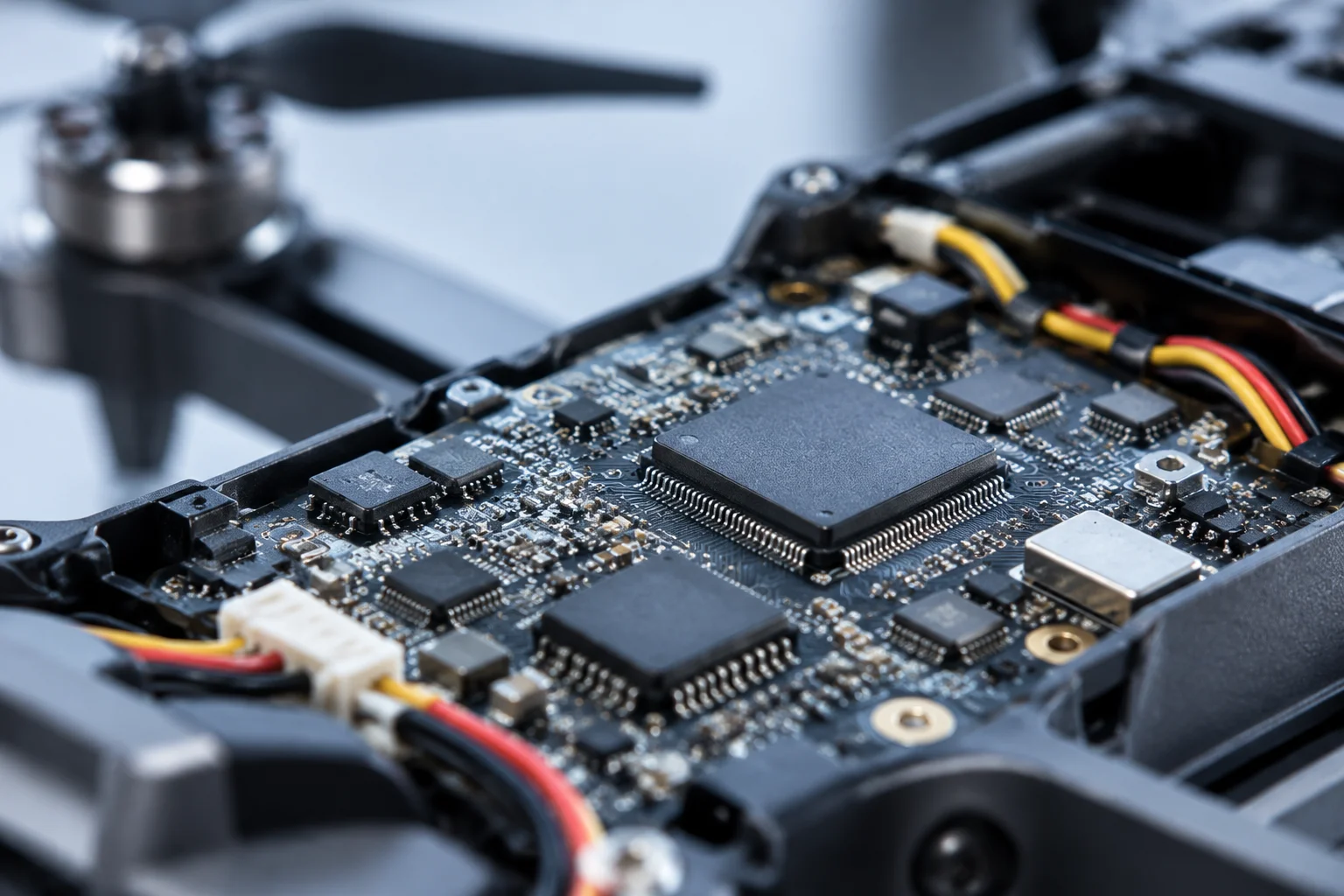
- Advanced Airborne Detect-and-Avoid (DAA) sensor suite combining phased-array radar, stereoscopic optical cameras, and thermal imagers.
- FAA Part 135 beyond visual line of sight (BVLOS) regulatory authorizations eliminating the mandate for ground-station visual observers.
- Safe-drop tetherless delivery system that descends to 12 feet, scans drop zones for obstacles or pets, releases cargo, and ascends cleanly.
Regulatory cooperation has reached an unprecedented tempo. The Federal Aviation Administration's modernized airspace integration standards allow Amazon flight management systems to file dynamic altitude pathways that seamlessly deconflict with regional air ambulance corridors and commercial traffic. Redundant communications protocols, blending dedicated cellular 5G networks with low-Earth orbit satellite links, guarantee unbroken command integrity throughout the delivery radius.
03.Market Dynamics & Competitive Logistics Impacts
Amazon's accelerated timetable marks a turning point for nationwide on-demand logistics, intensifying competition with Walmart, Zipline, and Alphabet's Wing. By targeting 500 municipal footprints, the retailer aims to turn rapid drone transit into an expected standard rather than a novelty luxury. This massive expansion also stimulates local supplier chains for replacement rotors, high-density solid-state batteries, and decentralized charging pads across regional fulfillment centers.
Urban Infill Challenges and Municipal Zoning
Executing delivery flights across 500 distinct jurisdictions demands granular neighborhood alignment. City councils and local aviation boards continue debating micro-noise thresholds, low-altitude flyover corridors, and municipal privacy ordinances. In response, Amazon has developed precision flight-pathing software that avoids flying directly over schools, athletic fields, and civic parks, opting for public utility easements and transit corridors wherever feasible.
Summary & Takeaways
The planned 500-city expansion of Amazon Prime Air showcases how maturing drone airframes and BVLOS regulatory relief are converging to reshape commercial ecommerce. As the MK30 fleet integrates directly into existing fulfillment nodes, consumers can expect sub-hour deliveries to become an everyday utility across suburban America.
Massive step forward for suburban autonomous logistics
Seeing the MK30 operating with BVLOS clearance will fundamentally change quick-turnaround deliveries. The noise reduction is the key differentiator here—earlier models were noticeably loud on approach, but these ducted rotors should make community adoption much smoother.