
01.Scope of the New Component Rules
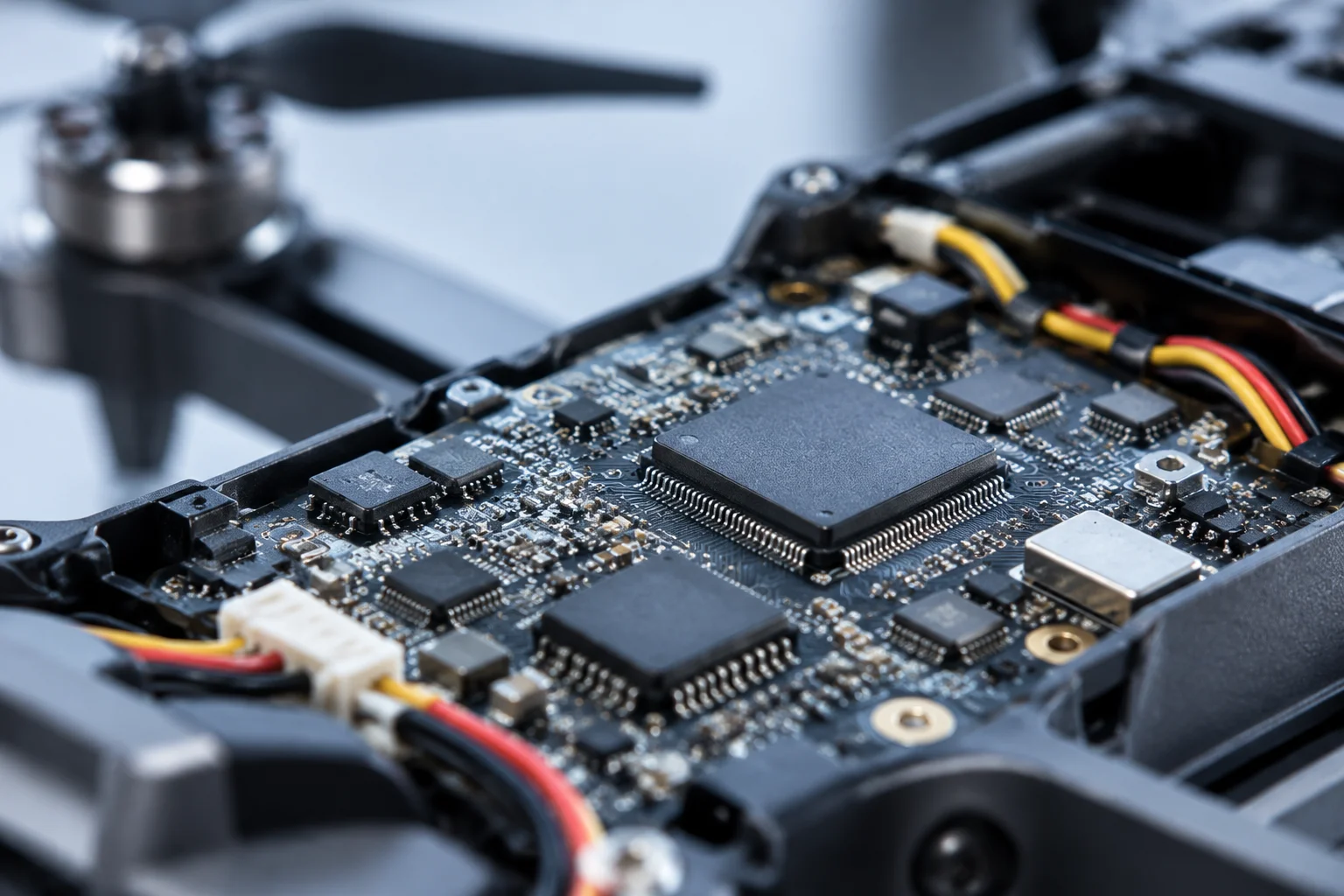
The Federal Communications Commission has introduced stricter oversight regarding intentional radiators integrated inside unmanned aerial systems. While historical guidelines primarily evaluated complete end-user aircraft packages, these updated standards scrutinize individual modular transmitters, sub-gigahertz telemetry chips, and video downlink boards directly at the component level.
The revised framework aims to eliminate rampant radio frequency bleed-over into critical aerospace corridors. As air traffic modernizes and automated parcel carriers share civilian airspace, rogue RF emissions caused by uncertified drone amplification circuits or grey-market transceivers introduce unacceptable safety hazards.
“Regulatory compliance in unmanned aviation can no longer treat radio components as isolated peripherals; every transmitting module directly impacts national airspace spectrum integrity.”
— FCC Office of Engineering and Technology
02.Key Hardware Benchmarks for Operators and Builders
Manufacturers, fleet technicians, and bespoke quadcopter fabricators must now confirm that every radio subsystem on board carries independent certification before operation. The commission established three core requirements that drastically alter how components are tested, procured, and integrated.
- Strict Harmonic Attenuation: Video transmitters and long-range telemetry links operating within the 902–928 MHz and 5.725–5.850 GHz bands must adhere to tighter out-of-band rejection thresholds.
- Modular Certification Inheritance: Custom flight builds can utilize pre-certified OEM radio boards only when trace layout, antenna gain, and enclosure shielding exactly match approved FCC laboratory filings.
- Direct Grant Traceability: Component resellers and suppliers must provide cryptographic or serial-verified FCC ID documentation directly accessible via digital registry before distribution.
Attempting to solder third-party power amplifiers onto compliant flight controller boards invalidates existing modular approvals. In such cases, the entire assembly reverts to an uncertified unintentional/intentional radiator, exposing operators and distributors to civil fines under Section 503 of the Communications Act.
03.Compliance Roadmaps and Verification Steps
Commercial drone programs and independent workshops must establish structured auditing protocols for their replacement parts inventory. Verifying an FCC ID on an online spec sheet is no longer sufficient without matching physical laser engravings and verified lab test reports.
What Hobbyists and Part 107 Pilots Need to Audit Right Now
Begin by auditing all video transmitters (VTX), receiver antennas, and ground station repeaters currently in your gear bags. Ensure that transmission frequencies remain locked to authorized civilian channels and that transmit power settings cannot accidentally override regional wattage caps through unverified beta firmware updates.
Summary & Takeaways
The modern regulatory environment requires transparent RF accountability from factory assembly to field maintenance. Drone pilots who proactively verify component certification grants and eliminate non-compliant hardware protect both their operating licenses and public radio spectrum safety.



Crucial update for custom telemetry setups
We recently audited our fleet telemetry transceivers to comply with the tightened 915 MHz harmonic rejection boundaries. The clear guidance on modular grant transfers saved our engineering team weeks of lab re-certification.