01.Optical Sensors and the Non-Negotiable 3-Axis Gimbal
The sub-$500 drone category has evolved dramatically over recent flight seasons. Where pilots once had to accept shaky 1080p footage and rudimentary brushed motors, contemporary quadcopters now feature motorized stabilization and high-bitrate video capture. However, marketing claims can be intentionally misleading. Cheap manufacturers frequently print 4K Ultra HD on the retail box while relying on digital interpolation or electronic image stabilization (EIS), which simply crops the frame and produces distorted, jittery video in real outdoor breezes.
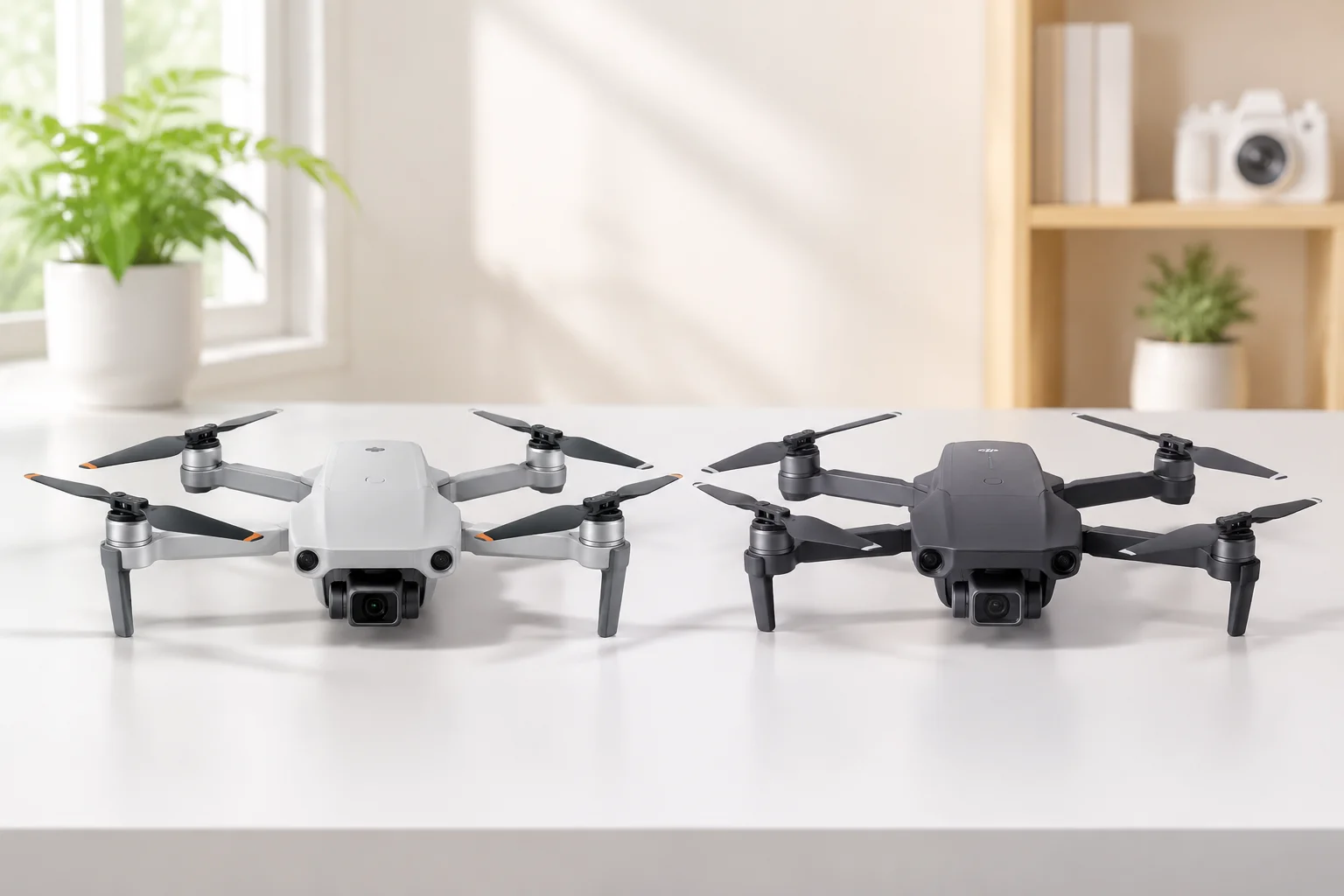
A physical motorized 3-axis mechanical gimbal remains the absolute demarcation line between an aerial toy and an authentic cinematography tool. Brushless gimbal motors actively isolate pitch, roll, and yaw vibrations caused by high-RPM motor oscillations. When combined with a 1/2.3-inch or 1/1.3-inch CMOS image sensor, the aircraft maintains crisp detail across high-contrast landscapes, preserving dynamic range in bright skies and shadowed terrain alike.
“Never trade a motorized 3-axis mechanical gimbal for inflated megapixel figures. Sensor stabilization is what delivers cinematic footage, not aggressive software post-processing.”
— David Ross, Senior Avionics Analyst
02.The 249-Gram Weight Barrier and Wind Resistance
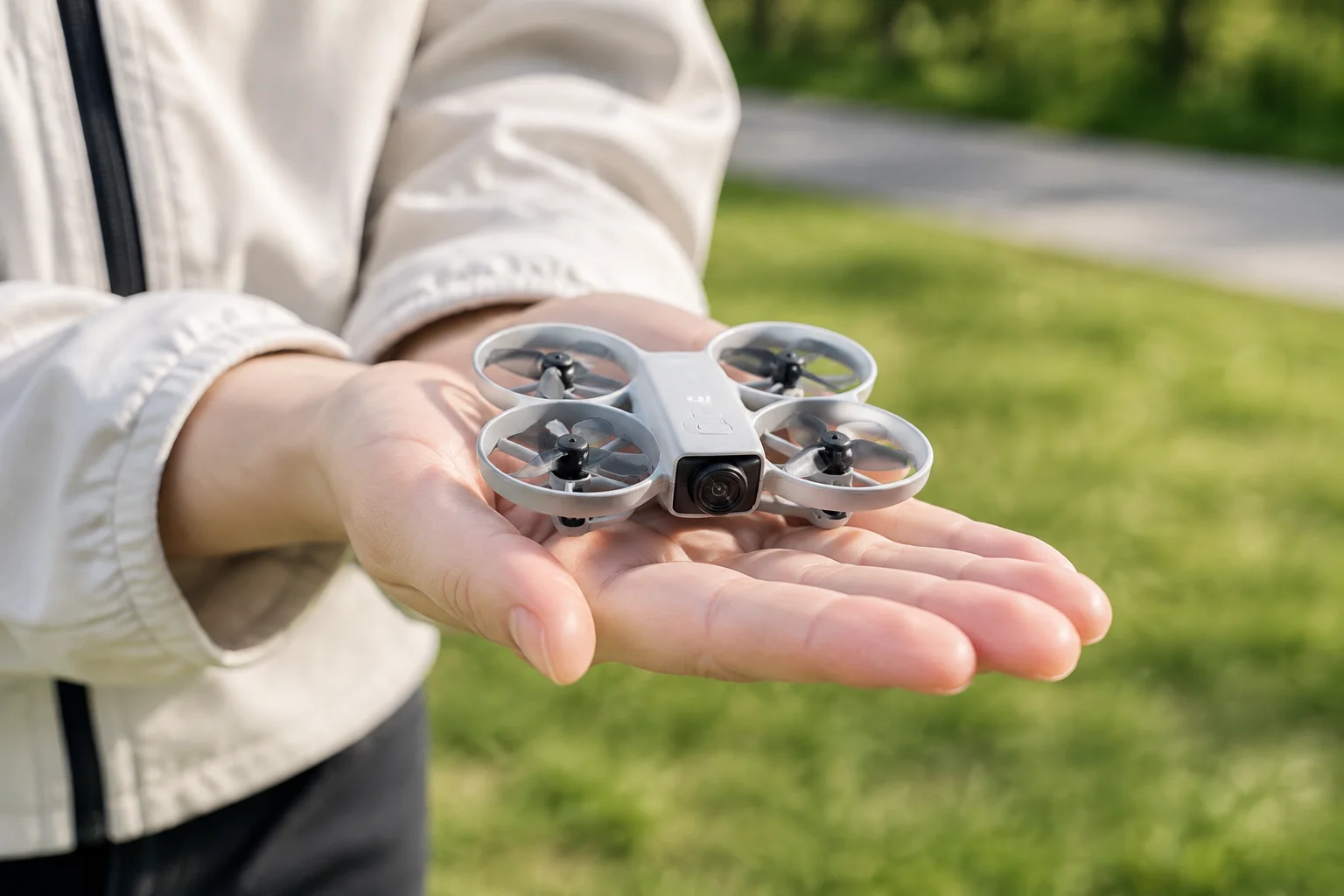
Gross takeoff weight determines not only flight performance but also legal liability. Aviation authorities across the United States, Canada, the United Kingdom, and the European Union set 250 grams as the primary regulatory threshold. Flying an ultralight drone registered at 249 grams or less excuses recreational hobbyists from mandatory FAA registration fees and burdensome Remote ID module requirements in standard parkland flight zones.
- Regulatory freedom allows instant recreational takeoff without FAA Remote ID retrofits or renewal registrations.
- Level 5 wind resistance ratings ensure stable hover positioning against coastal gusts reaching 24 mph (38 km/h).
- Foldable arm architecture slips cleanly into camera backpacks without requiring oversized flight hardcases.
The challenge with lighter airframes lies in atmospheric stability. Inexpensive plastic quadcopters without optical flow sensors drift erratically when caught in thermal updrafts. High-grade sub-$500 models utilize downward optical flow cameras combined with dual GNSS constellations (GPS plus GLONASS or Galileo) to anchor the aircraft in mid-air, guaranteeing reliable autonomous Return-to-Home (RTH) routines when wind speeds escalate.
03.Transmission Protocols, Batteries, and Avoidable Traps
Video transmission link stability directly affects pilot confidence and safety margins. Generic budget drones commonly rely on basic 2.4 GHz or 5.8 GHz smartphone Wi-Fi connections. These consumer-grade signals degrade severely within 150 meters, producing frozen screen feeds, control lag, and dangerous lost-link scenarios in urban or suburban environments with heavy RF noise.
Dedicated RF Links vs. Budget Smartphone Wi-Fi
Look exclusively for quadcopters that feature proprietary radio frequency links such as DJI OcuSync, Autel SkyLink, or specialized digital frequency-hopping transmitters. These digital transmission standards deliver low-latency 720p or 1080p live previews over distances exceeding 6 to 10 kilometers, maintaining responsive joystick handling through tree lines and light structural interference.
Summary & Takeaways
When spending up to $500, insist on three non-negotiable features: a motorized 3-axis mechanical gimbal, an intelligent dual-satellite navigation module with automated Return-to-Home, and an airframe design weighing at or below 249 grams. Reserve at least $50 of your total budget for a second intelligent flight battery and an authentic Class 10 U3 microSD card to ensure uninterrupted shooting sessions.
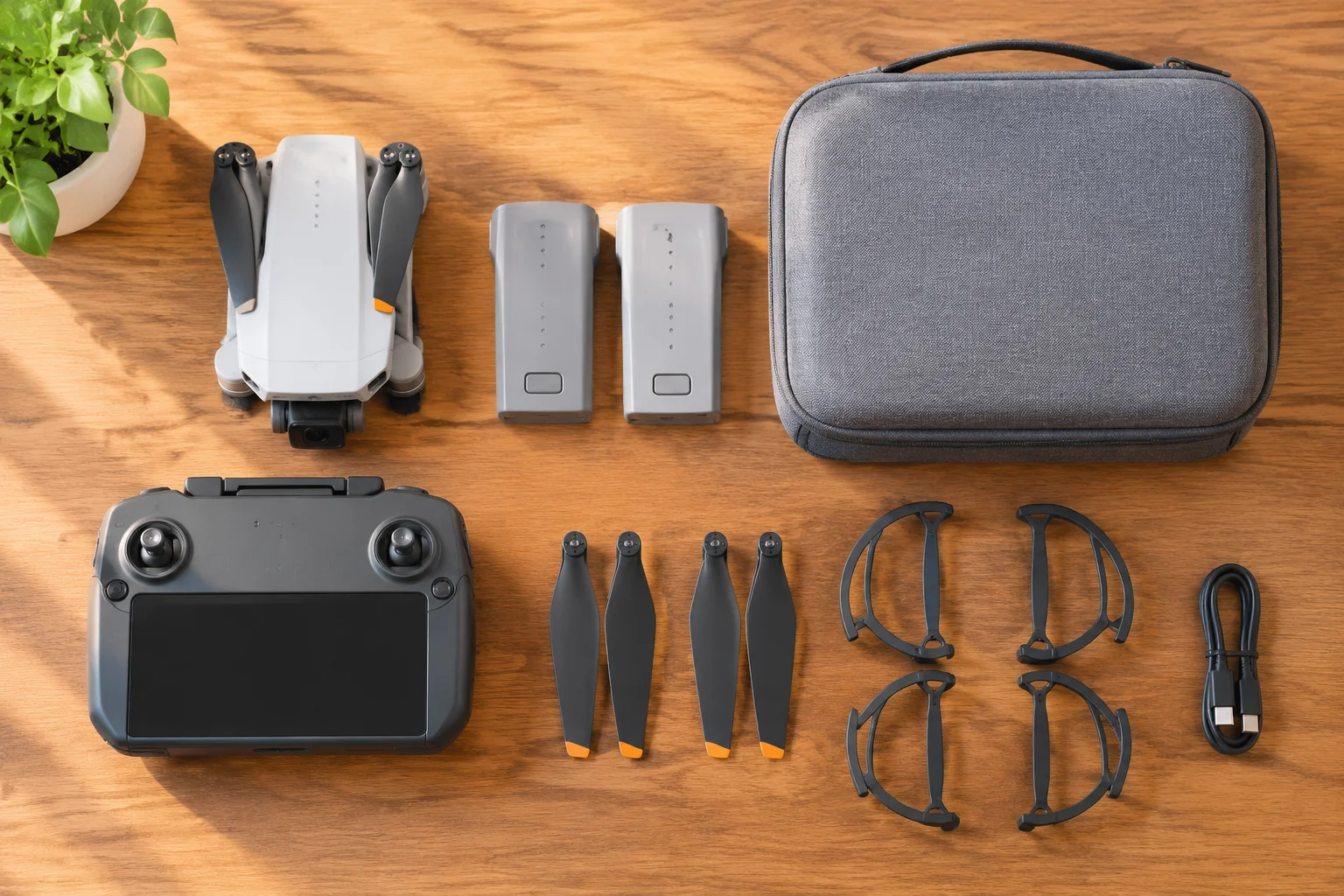
Exceptional build quality and precision controls
I ordered this unit three weeks ago. Flight stabilization is rock solid even in moderate coastal winds. The telemetry feedback on the transmitter is instantly responsive. Definitely an essential upgrade for technical field recordings.
Thank you for your valuable feedback, Marcus! We are glad the wind stabilization met your requirements. If you require extra cold-weather calibration profiles, feel free to download firmware patch v2.4 from our resource portal.